Review summary
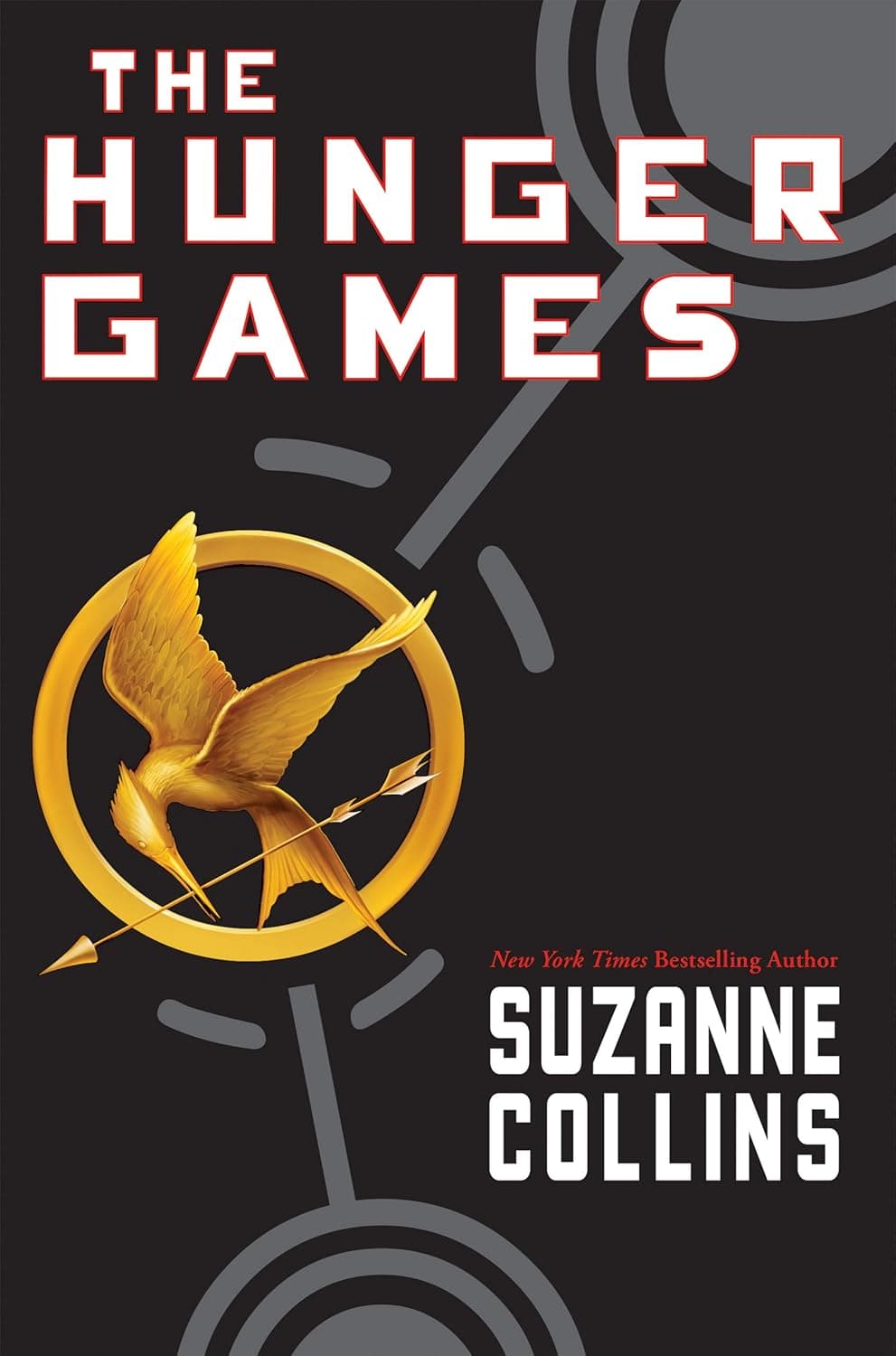
This spoiler free review of The Hunger Games by Suzanne Collins walks through why this classic dystopian novel that book 1 of the hunger games trilogy still hooks readers. The Hunger Games ignites a televised survival trial that turns Katniss Everdeen into the reluctant face of rebellion.
Full review
This spoiler light review for The Hunger Games looks at how Suzanne Collins builds the story without giving away the most important turns. The Hunger Games launches a televised survival contest that turns Katniss Everdeen into the reluctant face of resistance in Panem.
Worldbuilding arrives through action rather than long lectures. The contrast between Capitol excess and district scarcity shows up in train rides, makeover scenes, and sponsor gifts. The rules of the arena are simple enough that alliances and betrayals are easy to follow, which keeps the stakes personal and clear. For more Panem discussion you can look at our Sunrise on the Reaping review and track how Capitol propaganda shifts over time.
Katniss anchors the book because she is resourceful, skeptical, and fiercely tied to her family. Her inner thoughts juggle survival calculations with flashes of affection for Prim, Peeta, and Rue. Relationships stay grounded in shared danger and honesty about fear, which makes each bond in the arena feel hard won instead of convenient.
Readers who want a deeper look at the political and media commentary can explore The Mary Sue's Hunger Games analysis, which pairs media studies insights with the novel's focus on power. That outside lens highlights the way Collins turns a tense survival story into a critique of spectacle, control, and the narratives that keep unequal systems running.
Highlights from this Hunger Games Review
Lean, cinematic prose that carries readers from the Reaping to the arena finale with constant momentum.
A survival structure that doubles as commentary on media, inequality, and the use of fear as a tool.
A heroine whose pragmatism, loyalty, and archery skills keep every choice compelling.
Ideal Readers for The Hunger Games
Young adult dystopian fans who want tense survival strategy mixed with political undercurrents.
Readers looking for a determined female lead who navigates trauma, family duty, and forced fame without losing her core sense of self.
Related Survival Fiction Paths
Browse other books from our dystopian fiction tag to compare how different heroines confront authoritarian systems.
Watch the film adaptation after reading to see how visual storytelling reshapes or reinforces key emotional beats.
Key ideas
- Spectacle and surveillance can direct public opinion just as strongly as open violence.
- Small acts of kindness become quietly radical when an oppressive system expects obedience.
- Media savvy becomes a survival skill when every move is broadcast and judged.
If you liked this, read next
FAQ
- What is The Hunger Games about?
- The Hunger Games by Suzanne Collins follows Katniss Everdeen, who volunteers to take her sister's place in a deadly televised arena and becomes a symbol of resistance. It is a young adult dystopian novel that mixes survival, politics, and character driven drama.
- Who will enjoy The Hunger Games?
- Readers who like dystopian fiction, science fiction with social commentary, or tightly plotted survival stories are likely to enjoy it. Teen and adult readers who appreciate strong heroines and clear stakes should find it accessible.
- What themes stand out in The Hunger Games?
- The book highlights the power of spectacle, the danger of unchecked inequality, and the way everyday compassion can become an act of defiance. It also considers how media images shape identity and public perception.
- Is there anything to know before starting The Hunger Games?
- This is the first book in a trilogy and can be read on its own, but later volumes deepen the political and emotional threads. The story includes violence and distressing situations, so checking a sample can help you gauge whether it fits your current mood.
Reader-focused angles
This review intentionally answers longer questions readers often ask, such as the hunger games plot summary and main dystopian themes explained, the hunger games age rating, violence level and who this series opener is for, books like the hunger games for fans of young adult dystopian fiction, and the hunger games characters, symbols and questions to discuss, so the guidance fits naturally into the analysis instead of living in a keyword list.
Each section of the review is written to speak directly to those searches, making it easier for book clubs, educators, and new readers to find the specific perspectives they need.
Reading guide
- Mark each sponsor gift and rule change to track how the Gamemakers shape tension in real time.
- Discuss Rue's lullaby with a book club or friend to explore how music and memory can push back against despair.
- Pair the novel with journal prompts about agency, propaganda, and chosen family to deepen the themes.
As an Amazon Associate, I earn from qualifying purchases.