Review summary
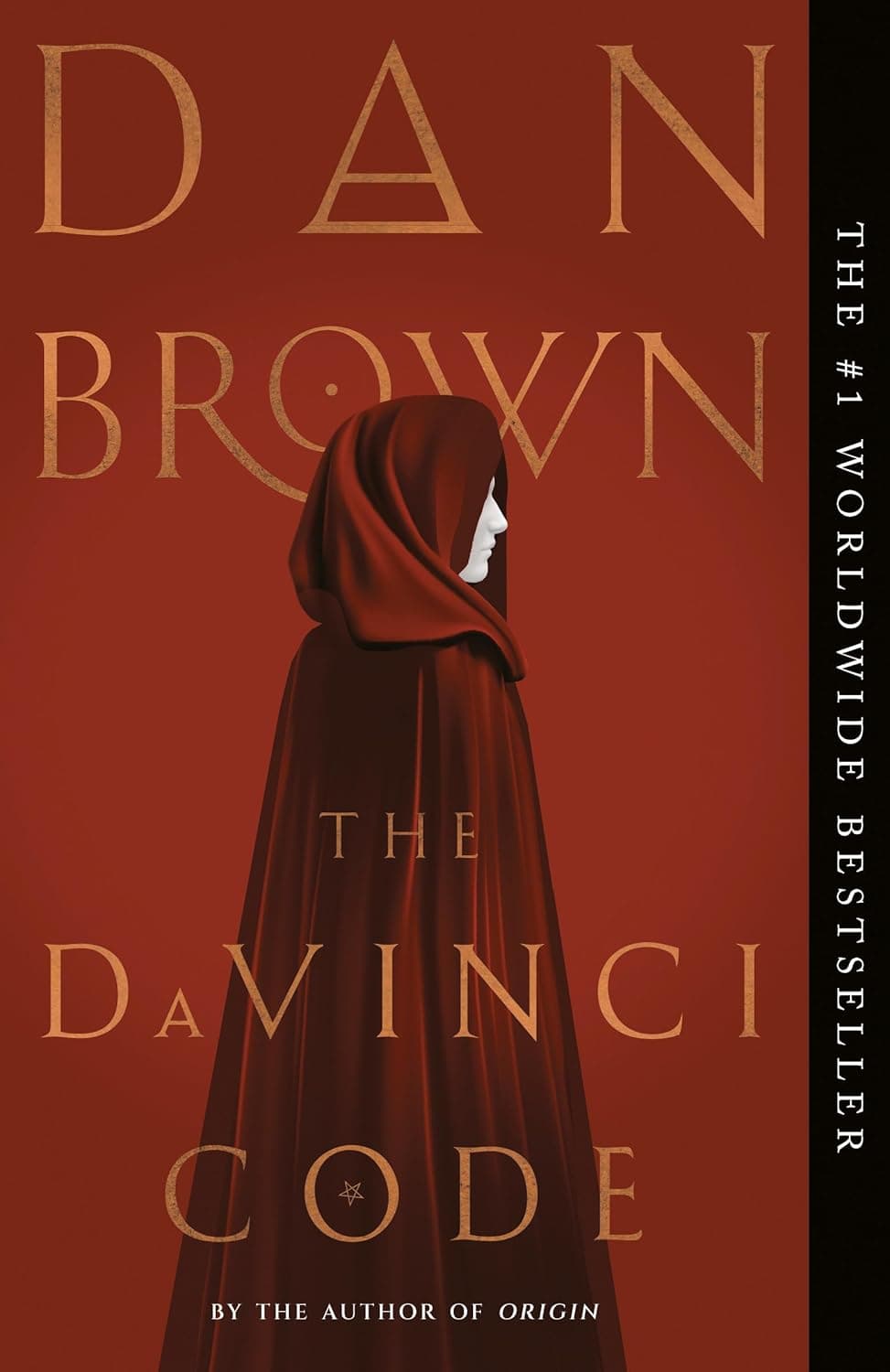
This spoiler free review of The Da Vinci Code by Dan Brown walks through why this high-stakes thriller that a robert langdon thriller still hooks readers. Dan Brown’s The Da Vinci Code is a lightning-fast art-history thriller that follows Robert Langdon across Paris and London as he decodes secret societies, sacred symbols, and a murder staged inside the Louvre.
Full review
The Da Vinci Code is Dan Brown's breakneck art history thriller that turned symbology professor Robert Langdon into a household name. The story opens with a murder in the Louvre and barely slows down as puzzles, codes, and symbols pull Langdon and cryptologist Sophie Neveu through galleries, churches, and hidden chambers across Paris and London.
Rereading the novel with a bit of distance highlights how heavily it leans on conspiracy lore and art history Easter eggs. The Priory of Sion, Opus Dei, and theories about the sacred feminine are all presented in a way that invites you to argue with them, which is part of the fun. Brown packages a lot of exposition into chases and close calls so that new information usually arrives attached to immediate danger.
The Da Vinci Code also sets the template for the Robert Langdon books that followed. Instead of fists or weapons, Langdon's main strengths are pattern recognition and the ability to unpack symbols quickly, while Sophie's cryptology skills keep the puzzles coming. Whether or not you buy every piece of speculative history, the novel reads like a guided tour through some of Europe's most famous sites with a mystery layered on top.
It remains an easy recommendation for readers who enjoy page turners set in real world locations, especially if they like to pause now and then to look up a painting, church, or sculpture and compare it with Brown's description.
What makes this Dan Brown thriller stand out
Relentless pacing, short chapters, and cliffhanger endings that make it hard to stop at just one more section.
A blend of symbology, Renaissance art, and religious intrigue that gives the story a distinctive puzzle box feel.
Best moments for Robert Langdon fans
Langdon's impromptu lectures inside the Louvre and other landmarks show how his academic skills become tools in a thriller plot.
The cat and mouse chase through locations like Saint Sulpice and the Temple Church pairs high stakes danger with historical riddles.
Who will love The Da Vinci Code
Readers who enjoy fast paced mysteries, religious and historical puzzles, and European settings they can picture or visit.
Fans of the Robert Langdon series or films and shows like National Treasure that turn research and decoding into an adventure.
Key ideas
- Symbols carry power because whoever interprets them shapes the story people believe.
- Institutions sometimes guard secrets to maintain influence, not only out of faith.
- Stories about the sacred feminine invite readers to question whose histories have been pushed to the margins.
If you liked this, read next
FAQ
- What is The Da Vinci Code about?
- The Da Vinci Code by Dan Brown follows symbologist Robert Langdon and cryptologist Sophie Neveu as they investigate a murder in the Louvre and uncover a trail of codes, secret societies, and hidden histories. It is a modern mystery that mixes art, religion, and conspiracy theory.
- Who will enjoy The Da Vinci Code?
- Readers who like fast, puzzle driven thrillers set in real world locations will likely enjoy this novel. It suits adults and older teens who do not mind a mix of fact, speculation, and controversial ideas about religion and history.
- What themes stand out in The Da Vinci Code?
- The story raises questions about who writes religious history, how symbols can be used to protect or distort the truth, and what it might mean to recover hidden stories about women in spiritual traditions. It keeps the conversation moving without pausing for long philosophical detours.
- Is there anything to know before starting The Da Vinci Code?
- The Da Vinci Code is part of the Robert Langdon series but can be read on its own. Some historical claims in the book are debated or fictionalised, so it is worth approaching it as a thriller first and a prompt for further reading second.
Reader-focused angles
This review intentionally answers longer questions readers often ask, such as the da vinci code fast paced plot summary and main conspiratorial themes, the da vinci code age rating, content notes and who this thriller is for, books like the da vinci code for readers who enjoy puzzle heavy mysteries, and the da vinci code characters, symbols and twists to talk about, so the guidance fits naturally into the analysis instead of living in a keyword list.
Each section of the review is written to speak directly to those searches, making it easier for book clubs, educators, and new readers to find the specific perspectives they need.
Reading guide
- Keep a map of Paris and London handy while reading so you can trace the route between key locations.
- Look up some of the paintings, churches, and sculptures mentioned to compare Brown's version of them with photographs or museum notes.
- If you read with a group, set aside time to separate what is supported by history from what is fiction, since that conversation is part of the book's appeal.
As an Amazon Associate, I earn from qualifying purchases.