Review summary
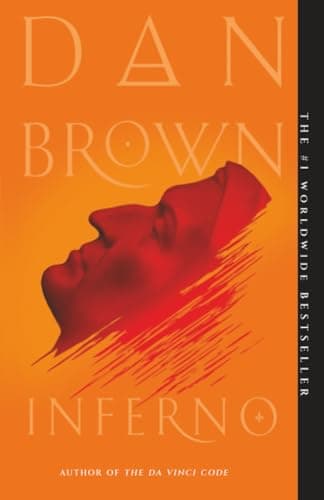
Robert Langdon wakes in Florence with no memory of recent events and must decode clues drawn from Dante's Inferno before a plan tied to global population changes the world.
Full review
Inferno opens with Robert Langdon waking in a Florence hospital with memory loss and an unexplained object among his belongings. He follows clues through Renaissance art and Dante's Divine Comedy while trying to understand which pursuers are enemies and what recent events have been hidden from him.
The population crisis behind the puzzle gives this Langdon adventure a darker ethical problem than a conventional treasure hunt. Florence, Venice, and Istanbul provide strong movement, while shifting alliances keep even apparently clear objectives unstable.
Dante as map and warning
References to Inferno connect art-history puzzles with fear of an overcrowded future. Readers do not need to have read Dante, because Langdon explains the relevant images and passages.
Book and film differences
The movie changes major parts of the ending and its moral consequences. Readers familiar only with the adaptation should expect the novel to make a more unsettling final choice.
Key ideas
- A real crisis does not justify removing consent from humanity.
- Memory loss makes expertise useful but identity uncertain.
- Institutions manipulate truth when they believe outcomes excuse deception.
If you liked this, read next
FAQ
- What number is Inferno in the Langdon series?
- It is book four, after The Lost Symbol and before Origin.
- Do you need to read Dante's Inferno first?
- No. Familiarity adds context, but the novel explains every clue needed for its plot.
Reading guide
- Track what Langdon remembers versus what others tell him.
- Separate Dante's text from the antagonist's use of it.
- Note each change in who appears trustworthy.
As an Amazon Associate, I earn from qualifying purchases.