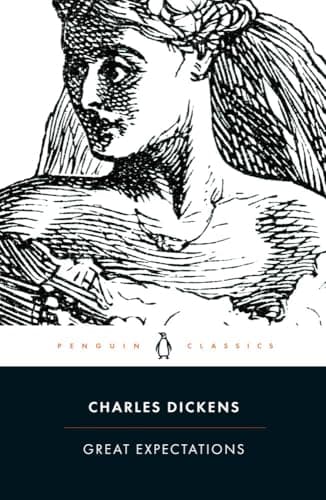
Review summary
Orphan Pip receives the chance to become a gentleman and assumes wealth will earn love and erase shame, only to discover how badly he has misunderstood his benefactor and himself.
Full review
Great Expectations follows Pip from a frightening encounter on the marshes through an unexpected opportunity to become a gentleman. Convinced that refinement and money will make him worthy of Estella, Pip grows ashamed of Joe and the honest life that formed him.
Dickens turns this rise into a moral education filled with mystery, coincidence, comic grotesques, and institutional criticism. The revelation of Pip's benefactor forces him to reconsider what gentility means and who has actually acted with generosity.
Pip's unreliable self-improvement
Pip narrates with adult hindsight, so readers can recognize vanity and cruelty that his younger self rationalizes. His shame is painful because it targets the people least deserving of it.
A mystery inside a social novel
Miss Havisham, Estella, the escaped convict, and the unknown benefactor keep the plot moving while questions of class and moral worth deepen around them.
Key ideas
- Social advancement can produce shame instead of security.
- Money changes status without guaranteeing character.
- Gratitude becomes moral knowledge when appearances collapse.
If you liked this, read next
FAQ
- Is Great Expectations difficult to read?
- It is long and uses Victorian language, but its first-person narration, mystery, humor, and memorable characters make it one of Dickens's more approachable novels.
- Who gives Pip his great expectations?
- The benefactor's identity is a central mystery and is best discovered through the novel rather than spoiled beforehand.
Reading guide
- Separate young Pip's assumptions from the older narrator's tone.
- Track who gives Pip money, care, education, and forgiveness.
- Notice how houses reflect arrested or changing lives.
As an Amazon Associate, I earn from qualifying purchases.